
Ten-Frame
A ten-frame is a 2x5 grid you fill to show a quantity. For a child with dyscalculia, seeing numbers as steady patterns instead of counting every time builds the instant number sense that later math depends on. This tool is interactive on screen, and lets you print blank frames for practice.
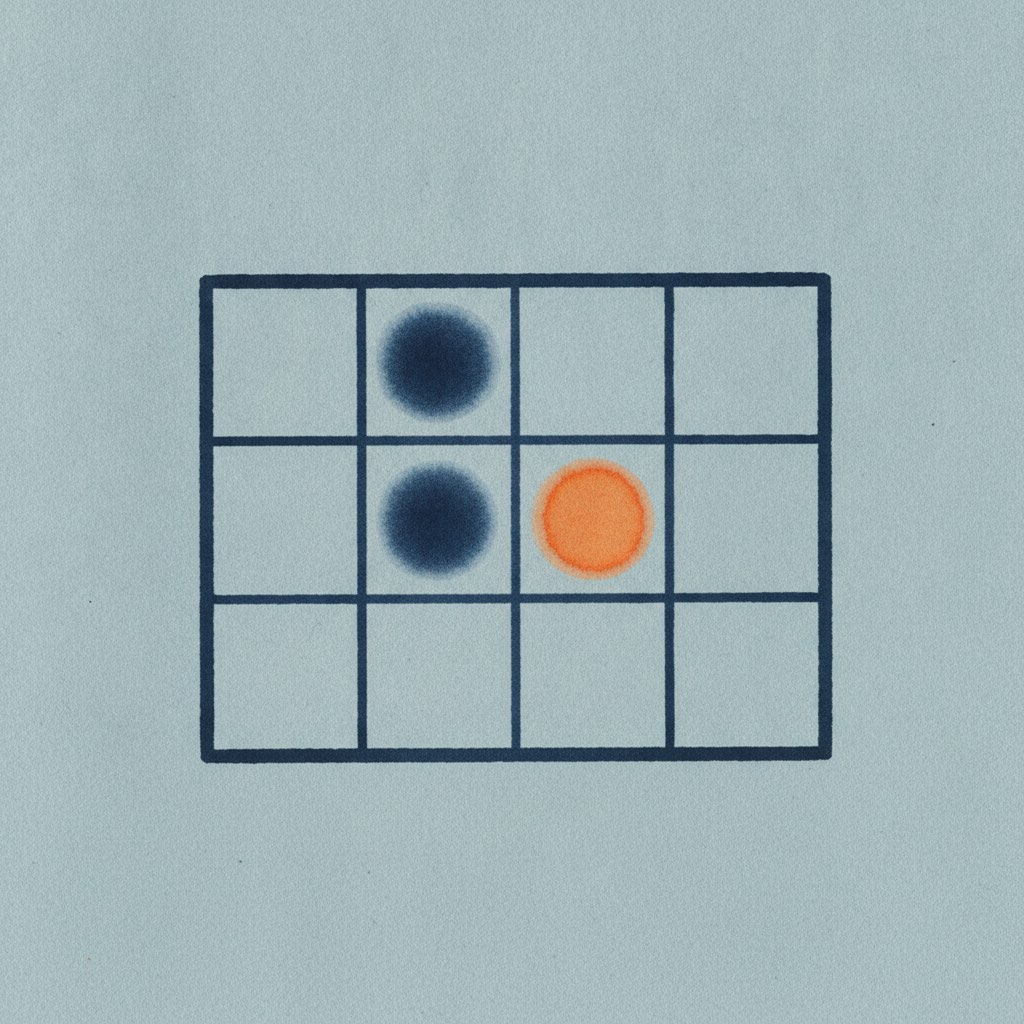
Pick a number and see it as filled counters. Tap the cells to fill them yourself.
Tap a cell to fill or clear it.
Empty ten-frames to fill in with counters or a pencil.
What the Ten-Frame does
A ten-frame is one of the simplest, most powerful tools in early math: a 2x5 grid you fill with counters to show a number. Filling four cells, then six, then ten lets a child see how numbers are built, how close they are to five and ten, and how much one more or one less changes things. The pattern does the explaining, so counting one by one slowly fades.
The Ten-Frame lets you tap cells to fill the grid on screen, and print clean blank frames for practice away from the device. It is a gentle way to grow the instant number sense, called subitizing, that dyscalculia makes hard to develop. From kindlexy.com.
How it works
- 1
Pick a number
Choose a quantity to show, from a single counter up to a full ten, or two frames for numbers up to twenty.
- 2
Fill the frame
Tap the cells to add counters, so the number takes shape as a clear visual pattern.
- 3
Print blank frames
Get clean blank ten-frames to fill with pencil or real counters. Nothing leaves your device.
- 4
Practice seeing
Glance at a filled frame and name the number without counting, so number sense grows over time.