
Place Value
For many children, especially those with dyscalculia, the idea of place value stays abstract until they can see it. This tool shows it as base-ten blocks, ones, tens, and hundreds, that a child can see and move, so a number becomes something concrete, and you can print it too.
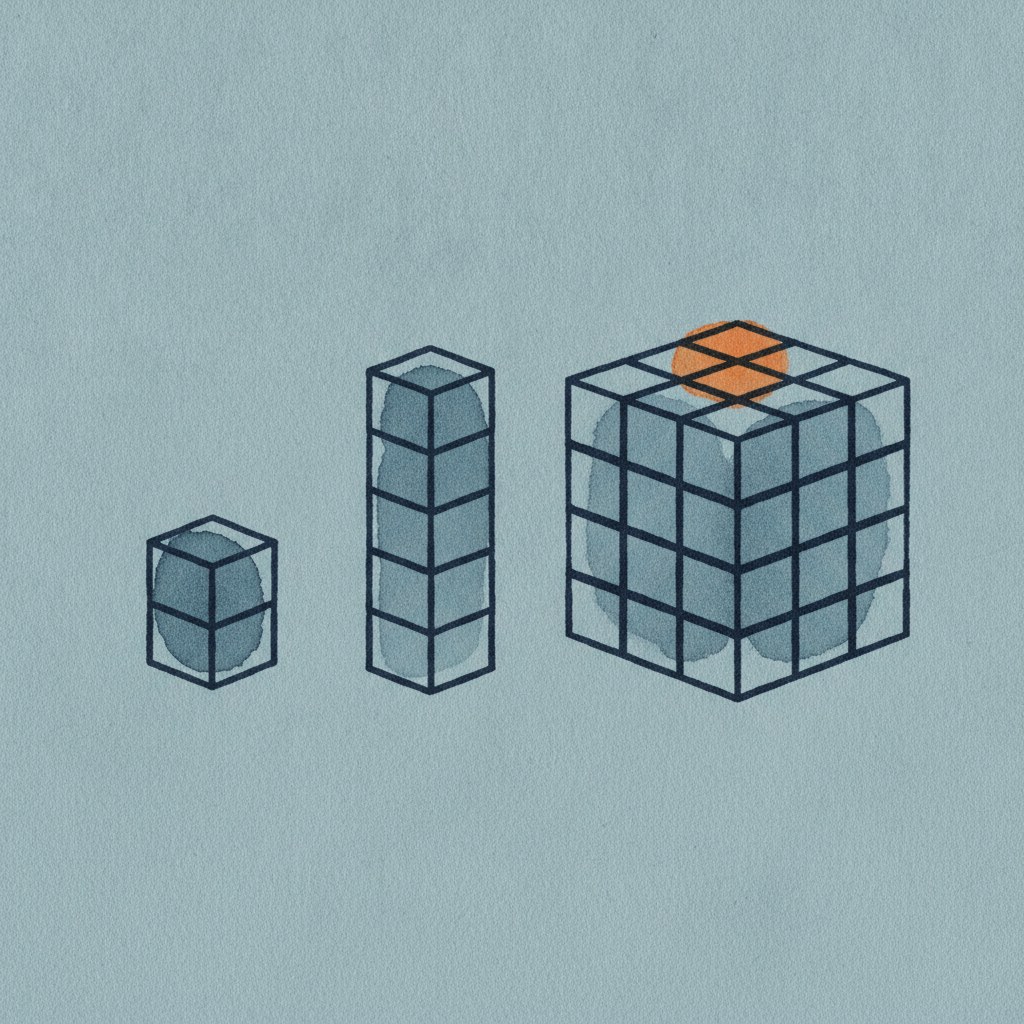
Build a number with hundreds, tens and ones, and watch the value change.
234 is made of 200 + 30 + 4
A blank hundreds, tens and ones chart to fill in by hand.
What Place Value does
For a child who finds numbers hard to grasp, the most helpful thing is often simply being able to see what a number is made of. Place value turns an abstract idea into base-ten blocks: single cubes for ones, sticks of ten for tens, and flats of a hundred. The child can build a number, take it apart, and watch ten ones become one ten.
Place Value lets you build numbers with blocks, move them between the ones, tens, and hundreds columns, and print a clean sheet to work on away from the screen. It is a gentle way to make place value concrete for the many children with dyscalculia who feel numbers slip away. From kindlexy.com.
How it works
- 1
Pick a number
Choose a number to build, or just start dropping blocks in and watch the number grow.
- 2
Build it with blocks
Place cubes, sticks, and flats into the ones, tens, and hundreds columns, so the number becomes something you can see.
- 3
Move and regroup
Slide blocks between columns and watch ten ones become one ten, so the pattern of place value becomes clear.
- 4
Print it
A clean sheet to work on away from the screen, ready in seconds. Nothing leaves your device.