
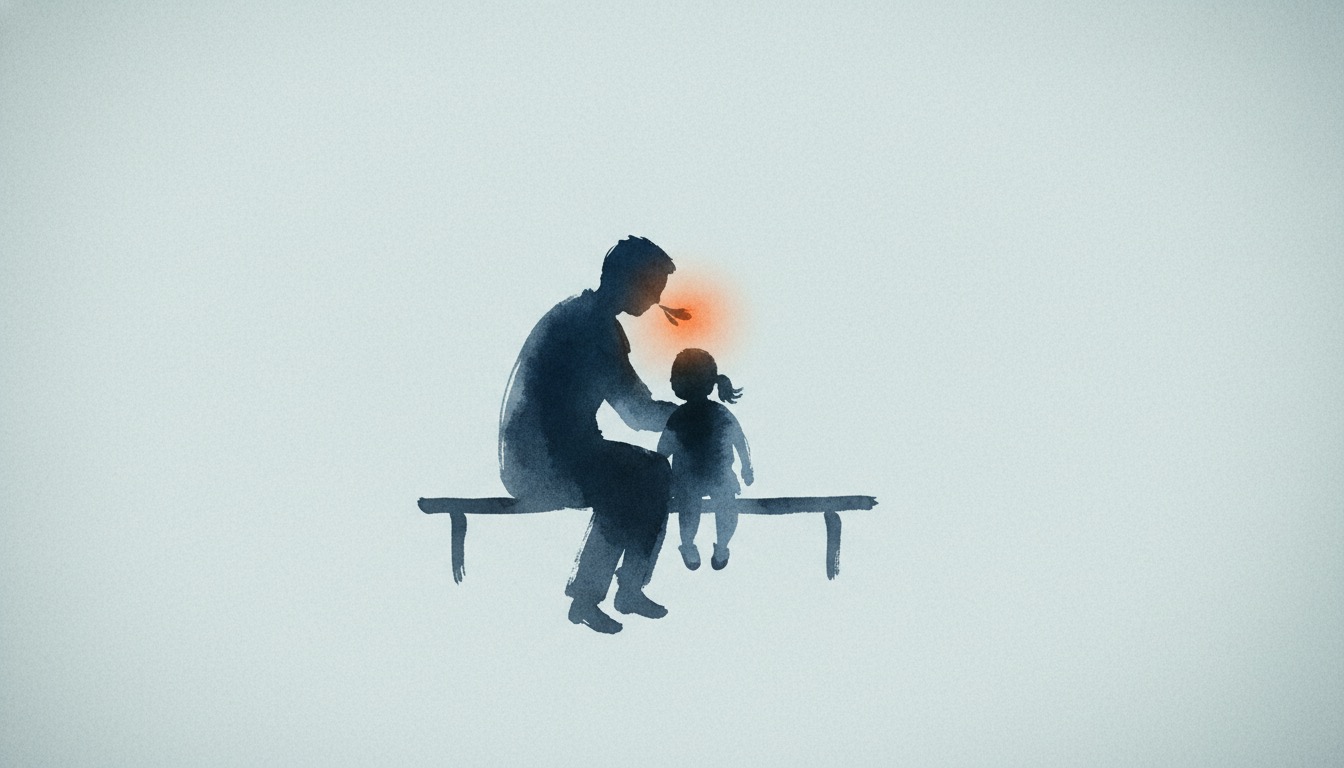
You have the diagnosis, you have read the report, you have answered some of the questions running through your own head. Then your child looks up and asks a quiet question: “Is there something wrong with me?” Or they never ask, they are just quiet.
That is the moment almost every parent reaches but rarely says out loud: how do I tell them? This post is about why that conversation matters, and how to shape it around your child’s age.
Why Silence Does Not Help
Many parents choose not to share the diagnosis for a long time, hoping to protect their child. The intention is good. “They are too young to understand”, or “a label will make them feel different”. In practice, that silence rarely offers the protection it promises.
Your child has already sensed that something is moving differently for them. They notice themselves stumbling on words while friends read smoothly, they notice the teacher’s attention falling on them differently, they notice homework taking longer than it takes their classmates. Especially from the first years of primary school, children compare themselves with peers.
A difficulty without a name is heavier than one with a name. Because the empty space does not stay empty, the child builds their own theory:
- “I am lazy”
- “I am not smart”
- “There is something wrong with me but no one is telling me”
Those internal theories quietly leave cracks in the foundation of self-esteem over the years.
Clear, age appropriate language fills the space. Once a child learns that what they live with has a name, the “I am broken” theory is replaced by the frame “my brain works this way, it is just a difference”. Reading the basic post on what dyslexia is first lets you understand the background of the language you will use with your child, and tends to make the conversation calmer.
When to Have the Conversation
The day the diagnosis arrives is usually not the right moment. On that day both parent and child are emotionally saturated, information stacks up, everything feels blurred. Waiting a few days helps.
What a Good Moment Looks Like
- A calm moment: a weekend morning after breakfast, during a walk, in the car on the way somewhere
- Side by side: an arrangement where eye contact is not forced; children share feelings more freely
- Not tired: not right after the tension of reading homework, not late on a tired evening
- Door open: the first conversation does not have to cover everything, it is a beginning
A first conversation is not the only conversation. As your child processes the topic and grows, the same conversation will come back in new forms. There is no single perfect script, only a dialogue that deepens over time.
Ages 4 to 6: The Early Years
For small children you do not need to use the word “dyslexia”, but you do not need to tell a fib either. Simple, metaphorical language works well. At this age the goal is to offer a sense of emotional safety: something is different, but that difference does not make you less.
An Example Opening
“You know, everyone’s brain works a little differently. Your brain recognises letters a little more slowly, but that has nothing to do with who you are, that is just the way your brain works. You are really good at telling stories, remember the long tale you told your brother yesterday?”
This invites the child to accept that the difficulty is real, while naming their strength at the same time.
Word Choices at This Age
| Instead of | Try |
|---|---|
| Illness | Difference |
| Problem | Your own way |
| Flaw / missing | Your particular style |
| ”You are so clever” (general) | “I loved how you planned the way the hero beat the enemy in yesterday’s story” (specific) |
Small children remember specific praise and turn it into part of their identity. Drawing or playing with blocks together during the conversation can land better than sitting face to face.
Ages 7 to 10: Primary School
Around this age children are mature enough to hear the word “dyslexia”, and the word itself often brings relief. Knowing what they live with has a name gives them the feeling “so I am not alone, this is a thing that happens to other people too”.
An Example Opening
“I want to talk with you about something. You know how reading can feel hard sometimes, and how homework takes you longer than it takes your friends. There is a name for that, it is called dyslexia. What it means is that for some people, letters and sounds settle into the brain a little more slowly. It has nothing to do with how clever you are, it is just a different way of learning. Millions of people around the world have brains that work this way.”
Ready Answers to Common Questions at This Age
“Am I stupid?”
“No. Dyslexia has nothing to do with how clever you are. Many people with dyslexia are very clever, reading is just a skill that takes them more practice.”
“Why do my friends read so easily?”
“Because their brains recognise letters a bit faster. That does not mean they are ahead of you in some race. There are other areas where you are ahead of them.”
“Will it go away?”
“Dyslexia does not go away, but reading gets easier over time. The brain finds new paths as you practise. You will feel a real difference over the years.”
These answers are not scripts, they are starting points to adapt for your child. What matters is that the answer is honest, warm, and that the door stays open.
Age 11 and Up: Adolescence
In adolescence the tone of the conversation changes. You are speaking with a more adult mind now, and open, honest language works better than simplified metaphors. Talking about dyslexia as part of identity becomes meaningful at this age. Identity is not something to erase, it is something to own.
An Example Opening
“I want to talk with you about dyslexia a bit more openly, because you are at an age where you are starting to make your own decisions about yourself. Dyslexia is not only a reading issue, it is the way your brain processes the world a little differently. That is not a shortcoming, just a difference. Many artists, architects, engineers, and business leaders have dyslexia. You also get to decide how you want to carry this part of yourself.”
Role Models, Without the Pressure
One of the things that empowers teenagers is learning about well known people who have dyslexia. Those stories make it concrete that dyslexia is not an obstacle, just a different way of processing.
A note of care: a frame like “Einstein had dyslexia, so you should be successful too” puts pressure on your child. The goal is not pressure, but spaciousness. Stories are for inspiration, not for comparison.
Self Advocacy, Step by Step
An important topic at this age is the child being able to name their own needs at school. Asking for extra time on an exam, speaking with a teacher about their learning, these build both confidence and independence.
- At first, stand beside them and model the words yourself
- Then slowly step back with “would you like to say it this time?”
- The skill does not arrive in a day, it builds over the years through small attempts
Making it explicit that they have the right to name their needs is, in the long term, one of the strongest things you can pass on.
Building an Ongoing Dialogue
A first conversation is not the only conversation. Over the years, dyslexia comes back in different moments, in different forms:
- After an exam
- After a misunderstanding with a new teacher
- After an uncomfortable joke from a friend
Questions That Keep the Door Open
“How did reading feel at school this week?”
A question that does not steer, but still tells the child the topic has not been forgotten. The answer will sometimes be a shrug, sometimes three words, sometimes a long story. All of them count. What matters is that your child knows the question is being asked.
Frame Choice Matters
| The “you are a problem” frame | The “we are walking together” frame |
|---|---|
| ”I am trying to fix you" | "We are working this out together" |
| "There is something wrong with you" | "This is your way, I am beside you” |
| Child as an object | Child as a partner |
The language you choose shapes the way your child will see themselves years from now.
You can also share your own feelings, in measured doses. A line like “I am proud of you, I see how hard you are working on reading” lets your child feel seen, and feel that the effort is valued.
When Professional Support Matters
Emotional support covers a lot of what a parent can give, but there are moments when reaching out to a professional is the right step. If you see any of the following, it is time to speak with a child psychologist or a child and adolescent mental health specialist:
- Persistent signs of depression
- High anxiety
- Social withdrawal
- Signs of self harm
A school counsellor is also a good first contact.
Kindlexy is not a clinic, and no blog post replaces a mental health professional. This post only offers a frame for a first conversation. Asking for an appointment does not mean your child is “a problem”, it means you take their wellbeing seriously.
What to Remember
The first conversation does not have to be perfect, only open. Your child will probably not remember the exact words years from now, but they will carry the feeling: “my parent was honest with me, I felt I could talk about this.” That feeling is the most valuable thing to leave behind.
- Simple enough to fit the age
- Carries strength rather than shame
- The first step of an ongoing dialogue, not a one time explanation
You do not have to say every sentence the right way. Being open matters more than being perfect.
For more guides, browse the kindlexy.com blog, where you will find other writing on your child’s confidence and identity.