
Blog
 Support at Home
Sensory sensitivity and dyslexia signs: calming things down at home
For a child who falls apart after school or is overwhelmed by noise: spot triggers, keep notes, build a calm home setup, and share findings with school.
 Support at Home
Dyslexic teens and workplace rights: a parent's guide
Workplace rights for dyslexic teens, how to ask for assistive tools, and how to talk to an employer. The legal gray area in Turkey and what to do today.
 Support at Home
What happens at work when a dyslexic child grows up, and what can you do now?
How do dyslexic adults handle specs, contracts and meeting notes at work? Here are small habits you can start with your child today.
 Support at Home
The Child Who Fidgets While Reading: Movement and Sensory Support
Why does a dyslexic child fidget while reading? Sensory supports to try for the need to move, movement breaks, and ways to track what works at home.
 Support at Home
How to Use a First-Then Board: A Visual Guide for Transitions
Learn how to set up a first-then board: a two-box visual plan for kids who struggle with transitions, avoid common mistakes, and handle resistance.
 Support at Home
Dysgraphia Exercises: 5 Steps for Handwriting at Home
Dysgraphia exercises in five short steps to support handwriting at home: posture, pencil-free games, five-minute rounds, a log and a reward chart.
 Support at Home
My Child Doesn't Understand Fractions: Building Fraction Sense With Pictures
If your child doesn't understand fractions, nobody is to blame. Build fraction sense in 10 minutes a day with flatbread, paper strips and a free tool.
 Support at Home
Fun Math Games at Home for Kids Struggling with Skip Counting
Discover short, engaging games to practice skip counting at home. Help your child understand numbers through movement, objects, and visuals.
 Support at Home
If Your Child Struggles With Telling Time: 5 Practical Steps to Try at Home
If your child can't tell time yet, don't worry. Five concrete, pressure-free steps for children who struggle with numbers and time, one at a time.
 Support at Home
Why Does My Child Get Stuck on Math Word Problems?
Stuck on math word problems even when your child knows the answer? Possible reasons, from dyscalculia to executive function, and calm steps for home.
 Support at Home
Dyscalculia Exercises: Strengthening Number Sense at Home with Ten-Frame
Your child can recite numbers but not grasp their meaning? This ten-frame dyscalculia exercise uses paper and household items to build number sense.
 Support at Home
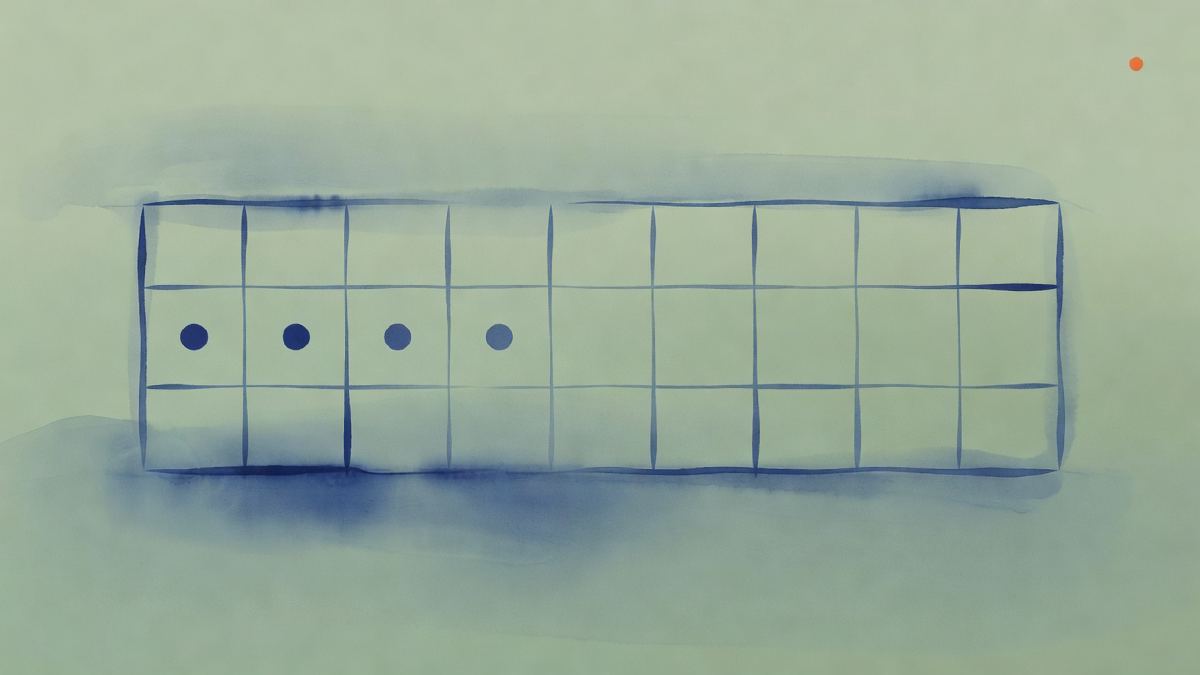
Ten Frame: Understanding Math Without Frustration
The ten frame helps your child see numbers, groups of five, and making ten more clearly. A calm, practical guide for math practice at home.
 Support at Home
Dyslexia Friendly Fonts and Reading Environments: What Actually Helps at Home
Is there a magic dyslexia font? Mostly no. A calm reading setup helps more: size, spacing, background color, and line tracking. What the research says.
 Support at Home
Phonemic Awareness at Home: Feeding the Skill Beneath Reading With Play
Rhyme, syllable, and first-sound games feed the sound awareness under reading. What phonemic awareness is, its link to dyslexia, and how to play at home.
 Support at Home
Rapid Naming: The Invisible Half of Reading Fluency (and How to Practice It at Home)
Rapid naming of colors, objects, and letters is the quiet skill under fluent reading. What it is, why it links to dyslexia, and how to practice as a game.